
The importance of safe tyres in wet winters
Thursday 5th November 2026With the rapidly changing climate, wet, unsettled winters are becoming the norm. According to data from the Met Office, last year England saw 42% more rainfall than the long-term meteorological average – officially its eighth wettest winter on record*.
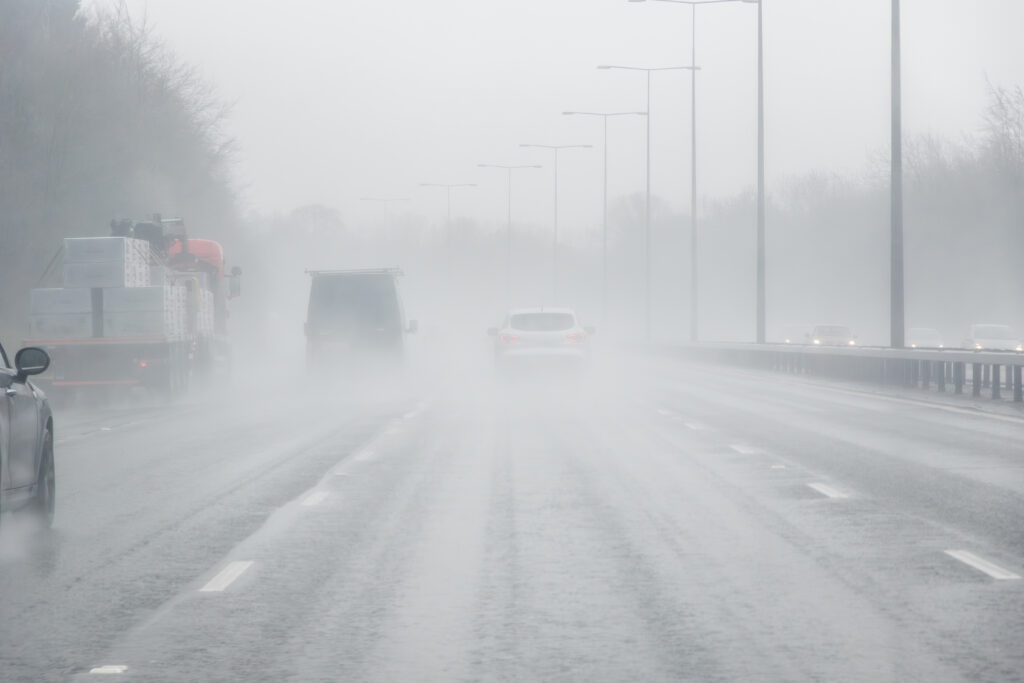
Such prolonged and intense periods of rainfall creates hazardous roads, so drivers should pay particular attention to their tyres and their effectiveness in safely navigating a wet winter.
Do my tyres provide good wet grip? Can I brake efficiently on wet ground? These are the questions drivers should ask themselves when it comes to tyre performance. If the answer is no, then it’s time to look at some new rubber…
What are the best tyres for rain?
There are several characteristics drivers should look for in a tyre that indicate good wet weather performance:
- An intelligent sipe design – the placement and the number of sipes throughout the tyre tread will help disperse the water out and away from the tyre.
- Deep groove channels – these help direct the flow of water.
- A large contact patch – the bigger the surface area, the more contact the tyre has with the ground, which increases the level of grip.
- ‘A’ or ‘B’ rating for wet grip – the higher the label score (visible on the tyre sticker), the better the tyre has performed under various testing disciplines including; wet braking, wet handling and longitudinal aquaplaning.
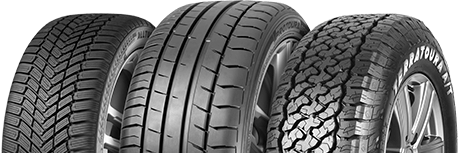
All-season tyres are a great option for UK winters as they provide excellent wet grip and reliable performance in unpredictable conditions. They can also be used all year round, eliminating the need to change tyres between seasons.
All-season tyres are also adaptable to changing temperatures, so if it’s 10°c and wet one day and then it drops to 0°c and icy the next day, drivers can be confident the tyres will perform just as effectively.
Davanti offers the Alltoura 4-Seasons range. Rated ‘B’ for wet braking under EU label grading, Alltoura boasts a number of features that help drivers stay in control.
What is aquaplaning?
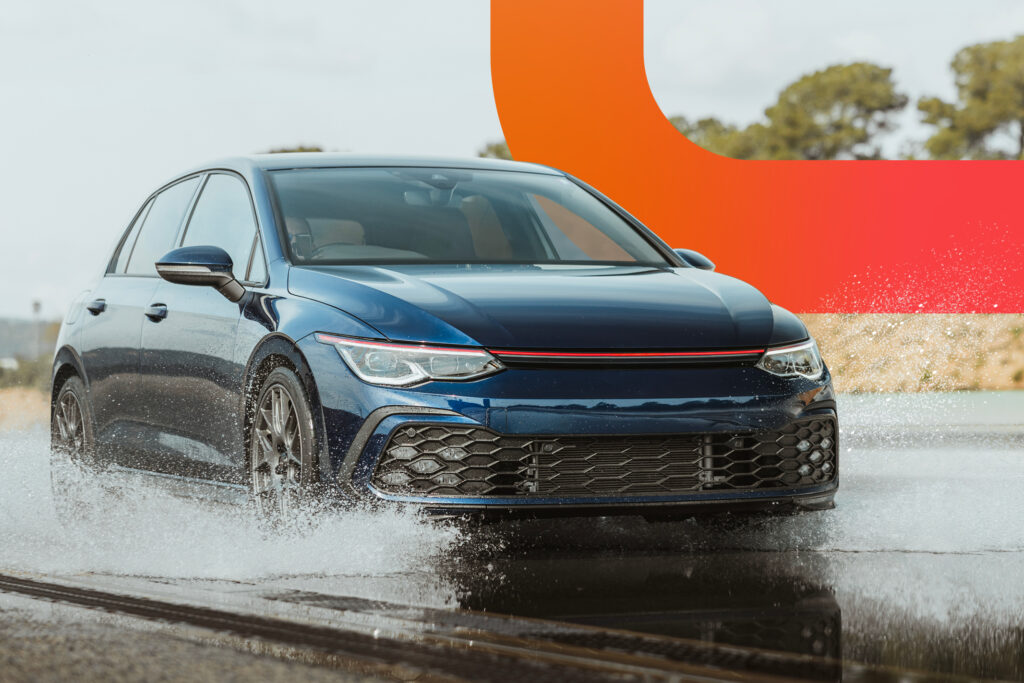
Aquaplaning occurs when the tyre loses contact with the road due to a build up of water that sits between the tyre and the tarmac. The vehicle effectively travels on water as opposed to the tarmac, resulting in a loss of grip, braking and steering control.
Aquaplaning can happen for a number of reasons:
- The amount of standing water exceeds the capacity of the tyre tread pattern. This is why paying attention to tread depth is so important – the shallower the grooves, the less chance the tyre has to grip the road.
- Speed. The faster a vehicle is travelling, the quicker the tyre has to work to disperse the water accumulating underneath.
- Under-inflated tyres. A tyre that doesn’t have sufficient pressure turns inward in the centre of the tread, which creates a pocket that can trap water.
Click here for tips on what to do if you experience aquaplaning.
You can also find out more information about how to drive in wet weather on our blog here. For further advice on the Davanti all-season range, contact your local Davanti dealer.
Source: * https://www.metoffice.gov.uk/about-us/news-and-media/media-centre/weather-and-climate-news/2026/dull-and-mild-february-brings-a-wet-winter-to-a-close#:~:text=England%3A%2042-,%25,-above%C2%A0its%E2%80%AFwinter%20LTA%E2%80%AF%E2%80%AF%C2%A0